
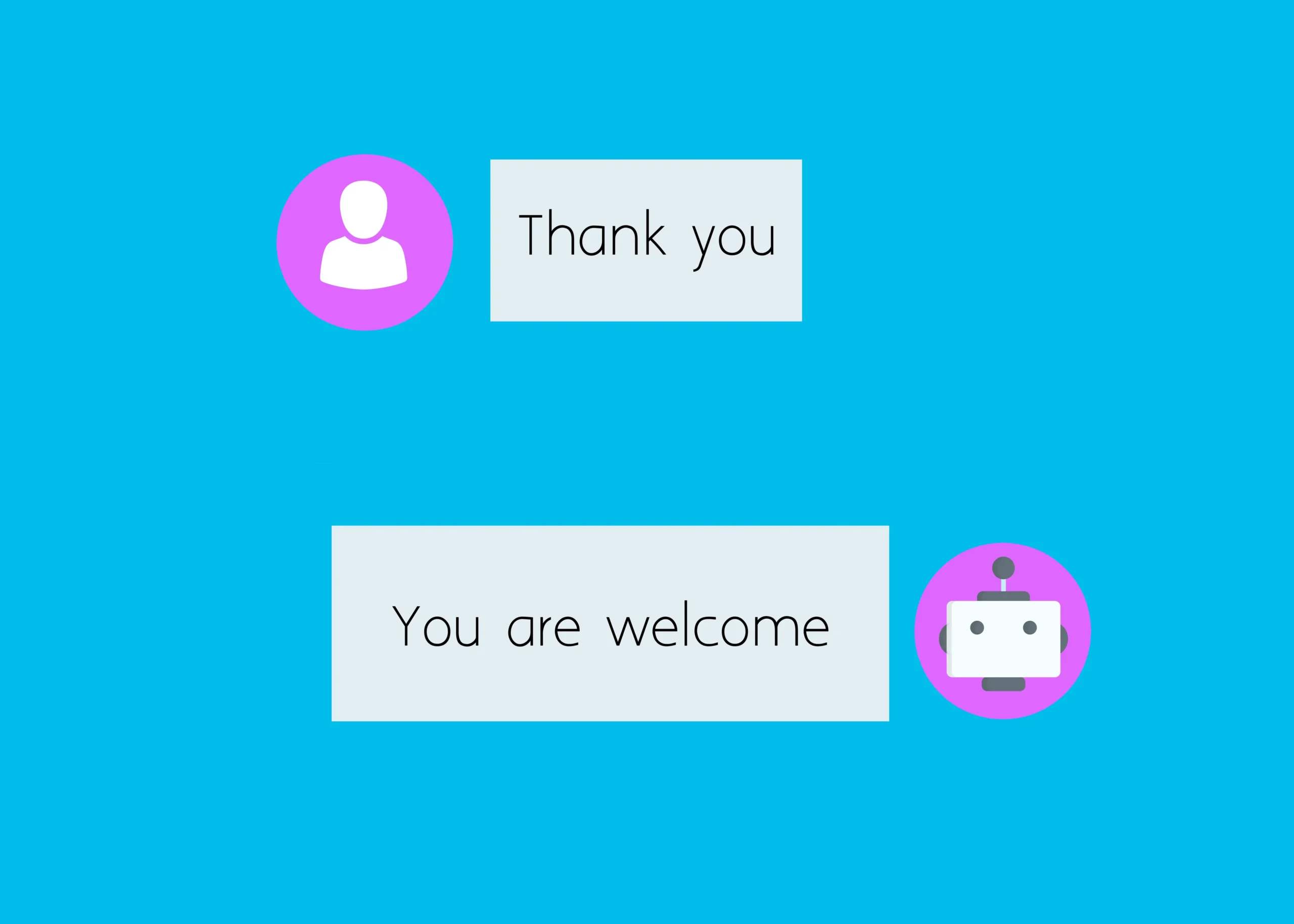

Chat Bots
Getting visitors to your website is only half the battle. The real challenge is turning those visitors into leads or customers. Modern businesses invest heavily in SEO, PPC, social media, and email marketing, but many still lose potential customers because visitors leave without taking action.
This is where chatbots have transformed the modern web conversion funnel.
Today’s AI-powered chatbots do much more than answer basic questions. They engage visitors in real time, qualify leads, recommend products, book appointments, recover abandoned carts, and guide users toward conversion. Instead of waiting for a visitor to search through multiple pages, chatbots provide instant assistance exactly when it’s needed.
In this article, we’ll explore how chatbots fit into every stage of the conversion funnel and why they have become an essential tool for businesses that want higher conversion rates.
What Is a Web Conversion Funnel?
A web conversion funnel is the journey a visitor takes before completing a desired action, such as:
- Making a purchase
- Filling out a contact form
- Scheduling a consultation
- Downloading a guide
- Signing up for a newsletter
The typical funnel consists of four stages:
Awareness
Visitors discover your website through:
- Google Search
- Social media
- Paid advertisements
- Referrals
- Email campaigns
At this stage, they are gathering information rather than making a decision.
Interest
The visitor begins exploring your website by:
- Reading blog posts
- Comparing services
- Checking pricing
- Viewing testimonials
- Looking at FAQs
They are evaluating whether your business can solve their problem.
Decision
Now the visitor is considering taking action but may still have questions such as:
- How much does it cost?
- Is this the right solution?
- Can I trust this company?
- How long will it take?
Small uncertainties often prevent conversions.
Action
The visitor finally:
- Makes a purchase
- Books a meeting
- Requests a quote
- Calls your business
- Submits a form
Every improvement in this stage can significantly increase revenue.
What Is a Chatbot?
A chatbot is a software application that interacts with website visitors through conversational messaging.
Modern chatbots can:
- Answer questions instantly
- Recommend products
- Collect customer information
- Schedule appointments
- Guide users through forms
- Connect visitors with human agents
- Personalize conversations using AI
Unlike traditional customer support, chatbots operate 24/7 without requiring continuous human involvement.
Why Chatbots Matter in Modern Conversion Funnels
Many visitors leave a website because they cannot quickly find the information they need.
Common reasons include:
- Confusing navigation
- Long forms
- Slow responses
- Pricing uncertainty
- Lack of trust
- Decision fatigue
A chatbot addresses these obstacles immediately by providing personalized assistance.
Instead of searching through multiple pages, visitors simply ask a question and receive an instant response.
How Chatbots Improve Every Funnel Stage
Top of Funnel (TOFU)
At the awareness stage, visitors often know little about your business.
A chatbot can:
- Welcome new visitors
- Explain services
- Recommend relevant pages
- Answer common questions
- Direct users to helpful resources
This reduces bounce rates and increases engagement.
Example
Visitor:
“What services do you offer?”
Chatbot:
“We provide SEO, PPC, Local SEO, and Conversion Rate Optimization. Which service are you interested in?”
Instead of leaving, the visitor continues exploring.
Middle of Funnel (MOFU)
Visitors now compare different options.
A chatbot can:
- Recommend solutions
- Explain pricing
- Share case studies
- Highlight testimonials
- Offer personalized advice
This helps move visitors closer to making a decision.
Example
Visitor:
“Is Local SEO good for plumbers?”
Chatbot:
“Yes. Local SEO helps plumbers appear in Google Maps and local search results, increasing calls and service requests.”
The chatbot answers immediately, preventing hesitation.
Bottom of Funnel (BOFU)
At this stage, visitors are nearly ready to convert.
Chatbots can:
- Schedule consultations
- Generate quotes
- Offer discounts
- Collect contact information
- Transfer conversations to sales representatives
This reduces friction during the final decision-making process.
AI Chatbots vs Traditional Chatbots
Traditional Chatbots
They operate using predefined rules.
Example:
User:
“Pricing”
Bot:
“Click here for pricing.”
They struggle when users ask unexpected questions.
Advantages
- Simple
- Affordable
- Easy to build
Limitations
- Limited flexibility
- Script-dependent
- Poor conversational ability
AI Chatbots
AI chatbots understand context and natural language.
Example:
User:
“I’m a small business owner with a limited budget. Which SEO package should I choose?”
AI chatbot:
“Based on your needs, our Local SEO package may be the best starting point because it focuses on increasing visibility in your service area while keeping costs manageable.”
AI-powered conversations feel more natural and personalized.
Lead Generation Through Chatbots
One of the biggest advantages of chatbots is automated lead collection.
Instead of presenting a long contact form, the chatbot asks simple questions:
- What’s your name?
- What’s your business?
- What service do you need?
- What’s your budget?
- What’s your email?
This conversational approach often achieves higher completion rates than traditional forms.
Reducing Cart Abandonment
Many online shoppers abandon their carts due to uncertainty.
Common reasons include:
- Shipping costs
- Delivery times
- Return policies
- Product questions
A chatbot can answer these concerns instantly, helping recover potential sales before the visitor leaves.
Personalized User Experiences
Modern AI chatbots can personalize interactions based on:
- Location
- Device type
- Browsing behavior
- Previous visits
- Referral source
For example, a returning visitor may see:
“Welcome back! Would you like to continue comparing our SEO packages?”
Personalization increases engagement and conversion potential.
Chatbots and Customer Support
Providing instant support improves customer satisfaction.
Instead of waiting hours for an email response, users receive immediate assistance.
Chatbots can:
- Reset passwords
- Track orders
- Explain services
- Share documentation
- Escalate complex issues to human agents
This combination of automation and human support creates a better customer experience.
Common Mistakes Businesses Make
Many businesses fail to maximize chatbot effectiveness by:
- Asking too many questions
- Using robotic language
- Hiding access to human support
- Interrupting users with aggressive popups
- Providing generic responses
- Ignoring chatbot analytics
A chatbot should guide users rather than frustrate them.
Best Practices for High-Converting Chatbots
To maximize conversions:
- Keep conversations simple.
- Offer quick reply buttons.
- Personalize responses when possible.
- Ask only essential questions.
- Provide easy access to human assistance.
- Integrate with your CRM and analytics tools.
- Continuously optimize based on user behavior.
Small improvements in chatbot design can produce significant gains in conversion rates.
The Future of Chatbots
AI technology continues to evolve rapidly.
Future chatbots will likely:
- Understand user intent more accurately
- Support voice interactions
- Deliver highly personalized recommendations
- Integrate with multiple business systems
- Predict customer needs before they’re explicitly stated
Rather than replacing human teams, they will increasingly handle repetitive tasks while allowing people to focus on more complex interactions.
Conclusion
Chatbots have become an important component of modern web conversion funnels. They engage visitors, answer questions instantly, reduce friction, qualify leads, and guide users toward meaningful actions.
When implemented thoughtfully, chatbots improve the customer experience while helping businesses generate more leads and sales. Combined with strong website design, quality content, and effective digital marketing, they can significantly enhance overall conversion performance.
The most successful websites in 2026 are not simply attracting traffic—they are actively engaging visitors through intelligent, personalized conversations that move them confidently through the conversion funnel.

0 Comments